
Industry Insights
July 6, 2026•12 min read
The Personal AI OS: Assistants as Everyday Operating Systems
Personal AI is evolving from chat windows into an operating layer that coordinates memory, tools, files, calendars, messages, and decisions.
Insights, tutorials, and updates from the ZharfAI team
Trends and analysis in AI and technology
Personal AI is evolving from chat windows into an operating layer that coordinates memory, tools, files, calendars, messages, and decisions.

AI can help compliance teams detect manipulation, insider-risk patterns, communications issues, and market anomalies across massive data streams.
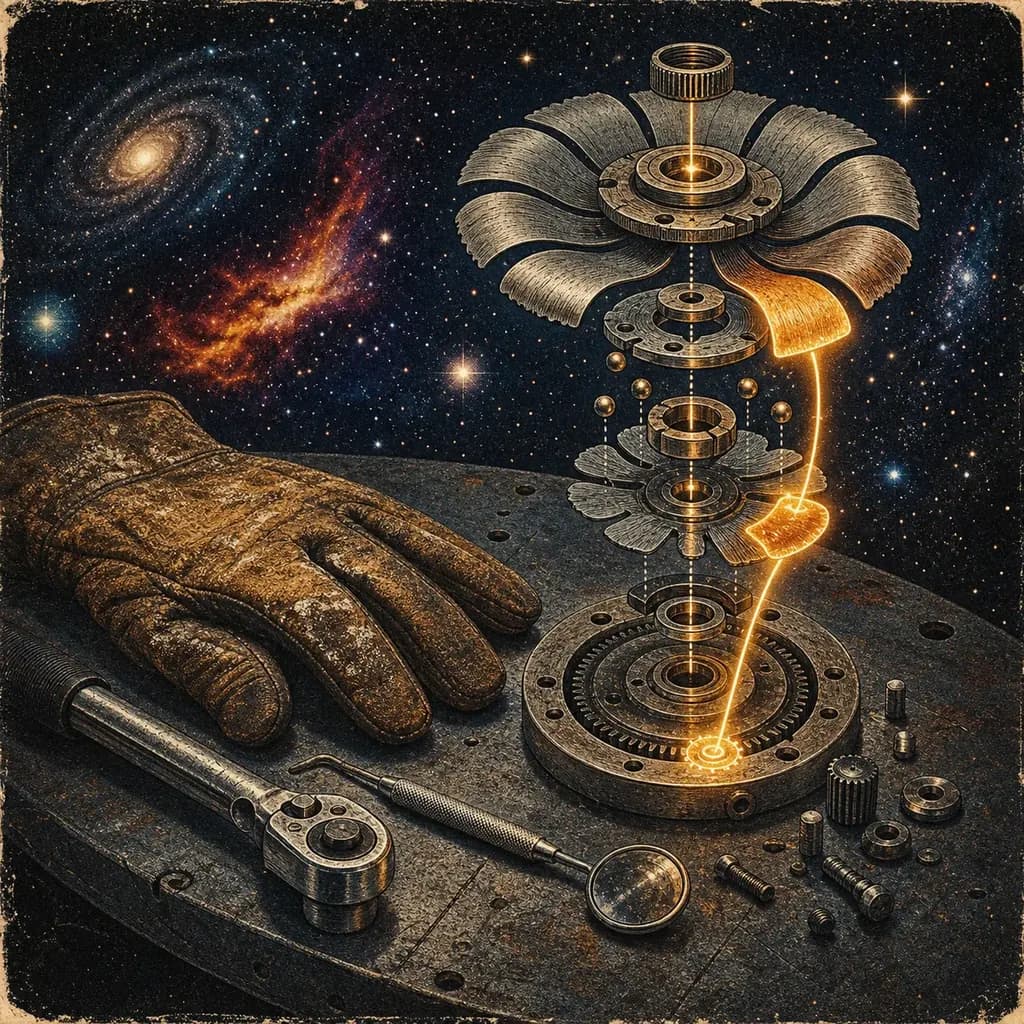
Industrial copilots bring procedures, sensor context, safety guidance, and maintenance knowledge directly to workers in the field.
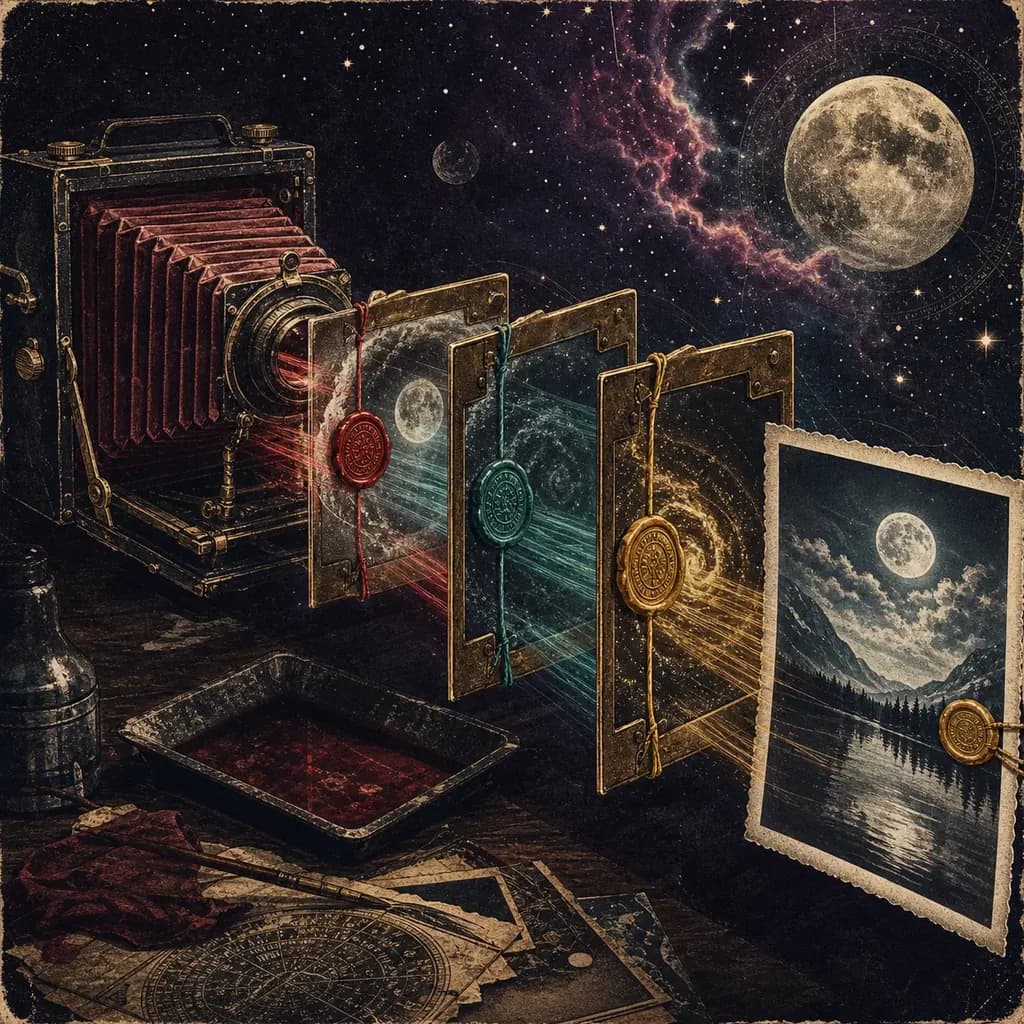
Content authenticity is becoming an infrastructure problem, combining provenance metadata, watermarking, detection, and publishing workflows.

AI procurement systems can compare suppliers, summarize terms, model risk, and draft negotiation moves while keeping final authority with humans.

Meeting AI is moving from transcripts to multimodal memory that understands slides, decisions, action items, sentiment, and follow-through.

Energy-aware AI design reduces waste by optimizing model size, hardware, batching, caching, routing, and where inference runs.
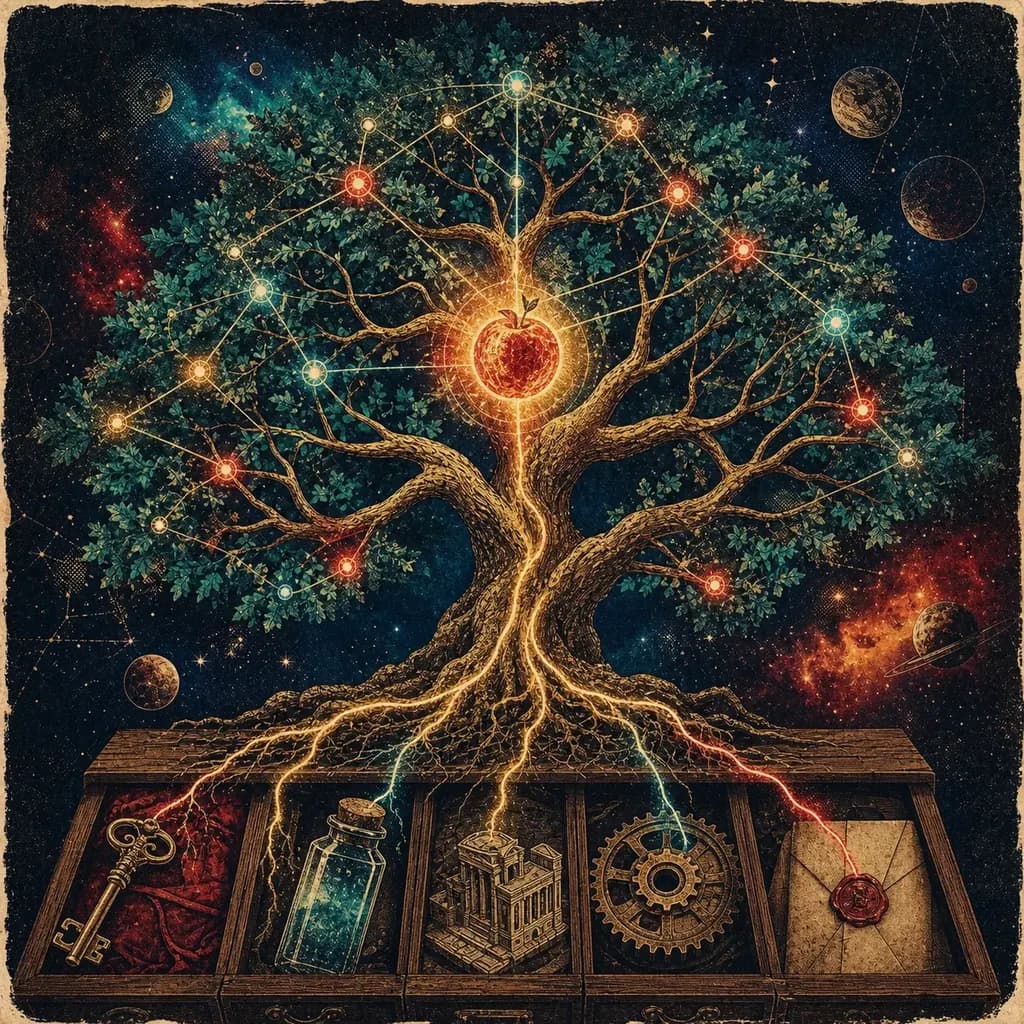
Knowledge graphs give AI systems structured context about people, assets, policies, products, and relationships that plain retrieval often misses.

Open-source models give teams control, but production value depends on evaluation, serving, fine-tuning discipline, security, and upgrade strategy.

A practical guide to digital identity wallets, verifiable credentials, selective disclosure, AI-assisted fraud controls, privacy, and 2026 implementation standards.

AI is pushing robotic process automation from brittle scripts toward adaptive orchestration across people, APIs, documents, and user interfaces.

AI is helping scientists interpret solar imagery, magnetosphere signals, and satellite telemetry to forecast disruptions before they reach Earth systems.