AI-Designed mRNA Cancer Therapy Meets Phase 3 Endpoints
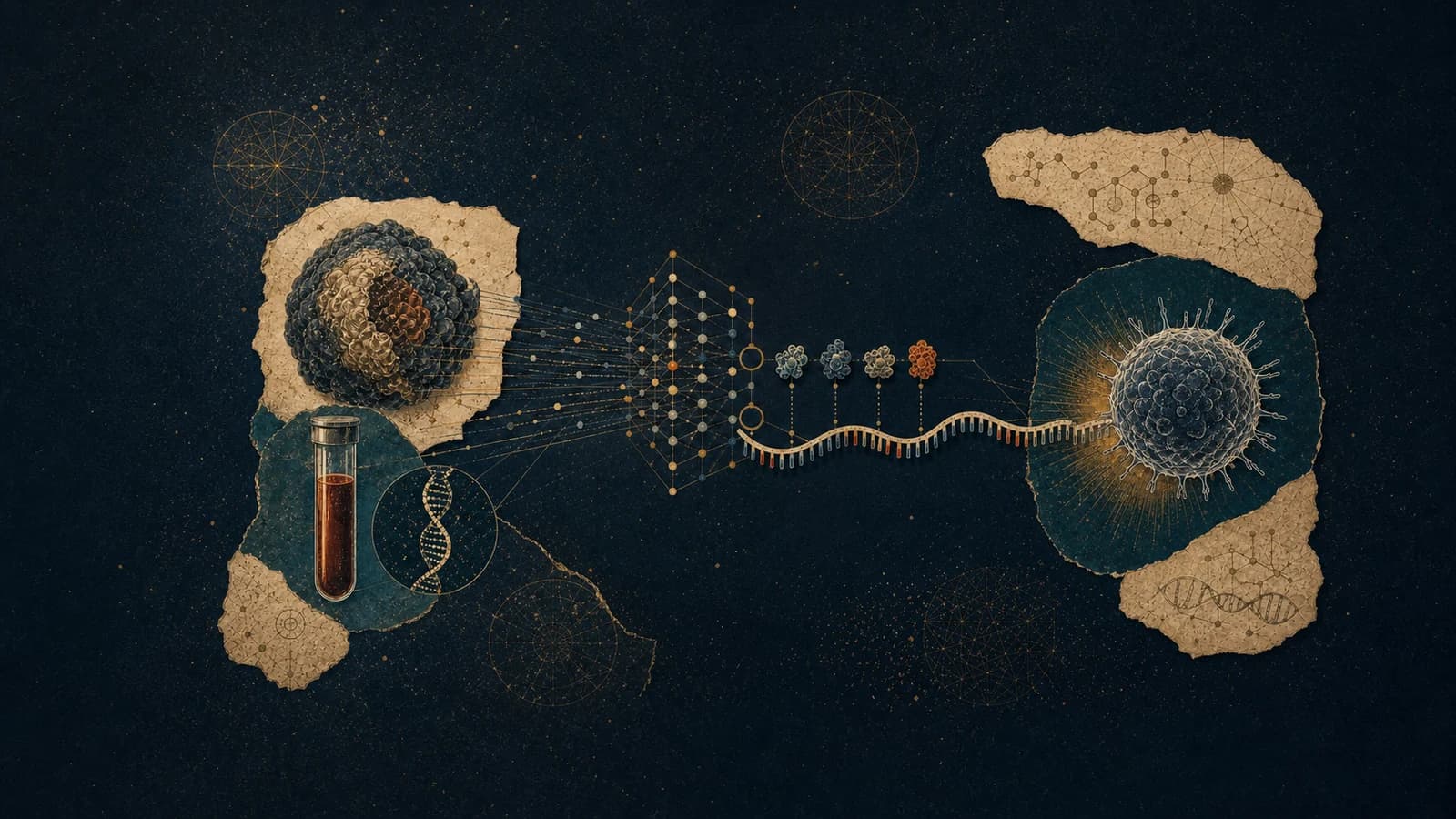
Intismeran plus Keytruda delayed melanoma recurrence in Phase 3. Here is what AI designed, what the topline result proves, and what remains unknown.

Evidence, implementation, and governance for AI in health

Intismeran plus Keytruda delayed melanoma recurrence in Phase 3. Here is what AI designed, what the topline result proves, and what remains unknown.

Athlete-monitoring AI needs valid measurements, prospective tests, clinical boundaries, consent, data security, and safeguards against coercive readiness scores.

Sleep AI can reveal trends in diaries and wearable signals, but consumer scores are not diagnoses; intended use, reference labels, privacy, and safe advice matter.

Epigenetic clocks can predict age-related outcomes, but association is not mechanism; interventions must improve health endpoints rather than merely move a score.

BCIs decode defined neural tasks under specific implants and protocols; safe progress depends on user agency, durability, privacy, clinical evidence, and support.

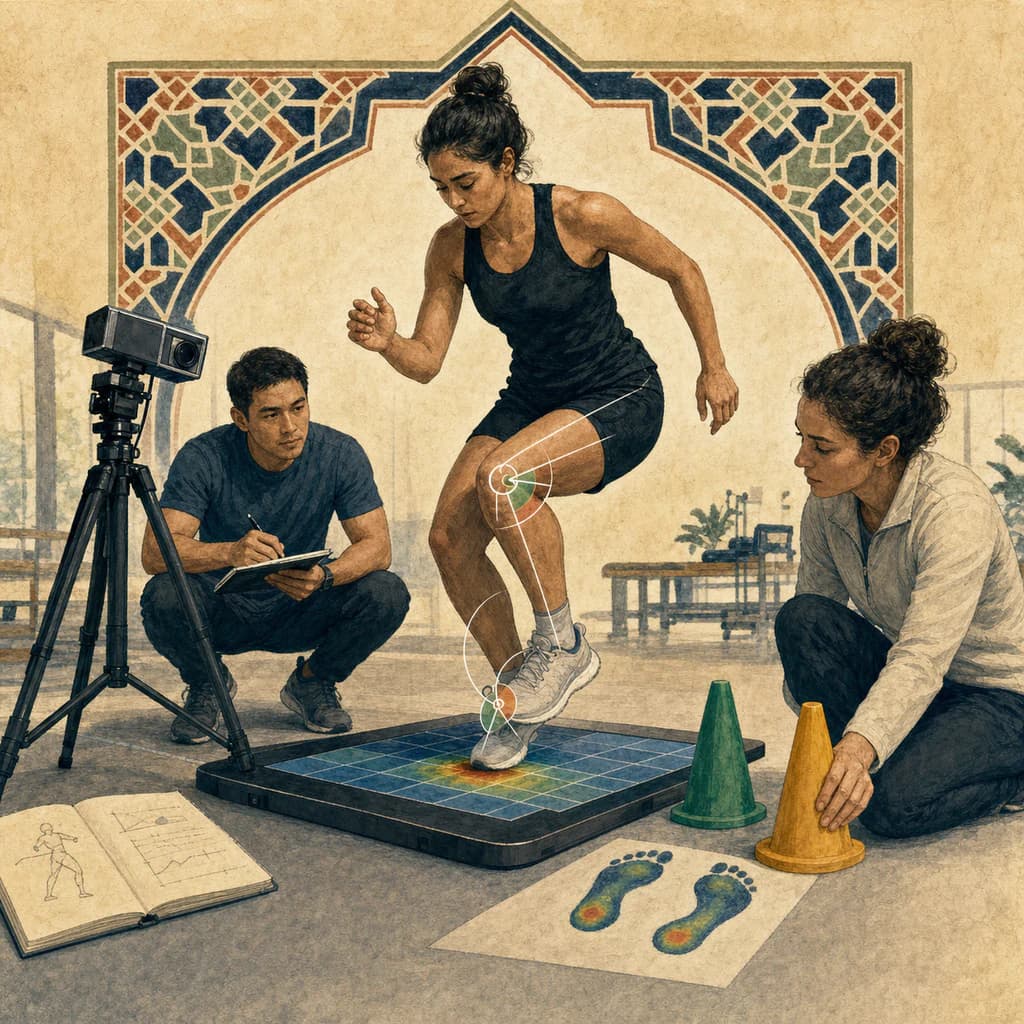
A validation-first framework for video biomechanics and adaptive coaching that respects sensor limits, medical boundaries, privacy, and human expertise.

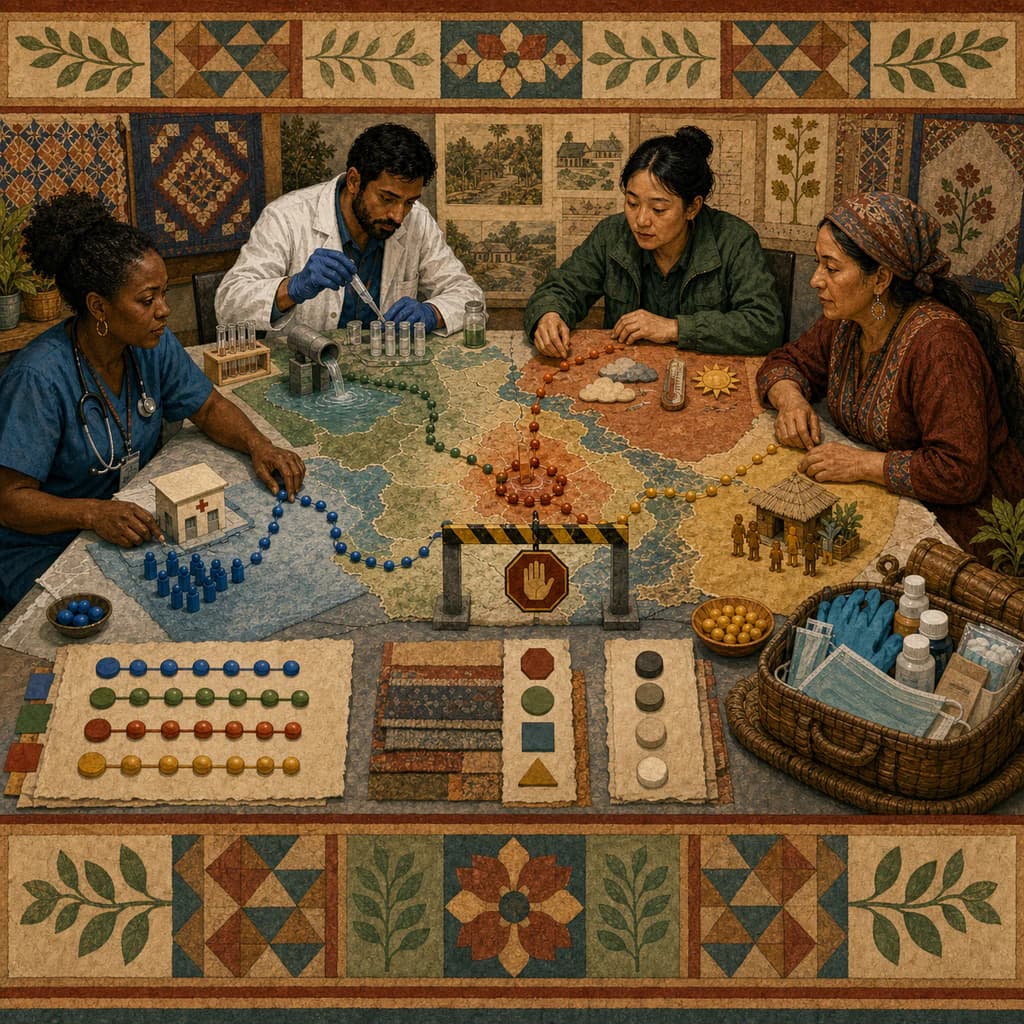
Public-health AI links multi-source surveillance to proportionate action when reporting delay, uncertainty, representation, privacy, and alert burden are modeled.

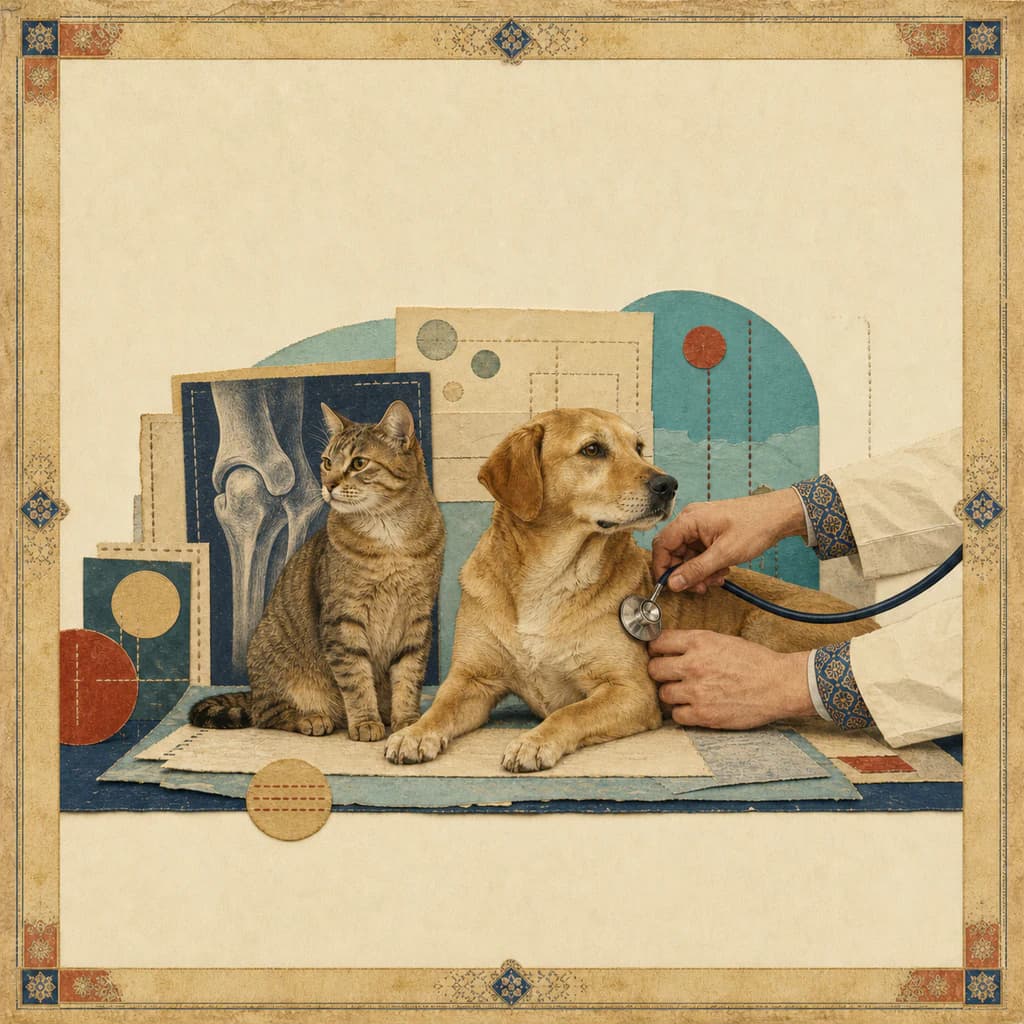
Clinical veterinary AI can organize records, flag images, and monitor conditions, but examination, diagnosis, treatment, and welfare remain the veterinarian’s duty.