Grok 4.6: Benchmarks, Model Card, Safety, and Agent Workflow
Grok 4.6 improves long-running coding and knowledge work, while its model card documents stronger search and jailbreak resistance alongside factuality and behavior regressions.
Engineering, infrastructure, and emerging AI systems

Grok 4.6 improves long-running coding and knowledge work, while its model card documents stronger search and jailbreak resistance alongside factuality and behavior regressions.

A clear answer to what AI is, written for managers: precise definitions, machine learning versus language models, real capabilities and limits today, and a decision framework for adoption.

A practical architecture for evaluating cyber-capable AI agents without giving a benchmark sandbox a transitive path into production systems.

How sparse attention, persistent CUDA kernels, four-step distillation, and NVFP4 turn a 133-second pipeline into near-real-time video generation.

Google's July 21 family pairs a stronger workhorse, a 350-token-per-second volume model, and a restricted cybersecurity specialist.

Moonshot's July 16 open-weight release combines a 2.8T hybrid architecture with strong coding, tool, research, and multimodal benchmarks.

SpaceXAI's July 16 model posts 83.3% on Terminal-Bench 2.1 and 64.7% on SWE-bench Pro while averaging 15,954 output tokens per task.

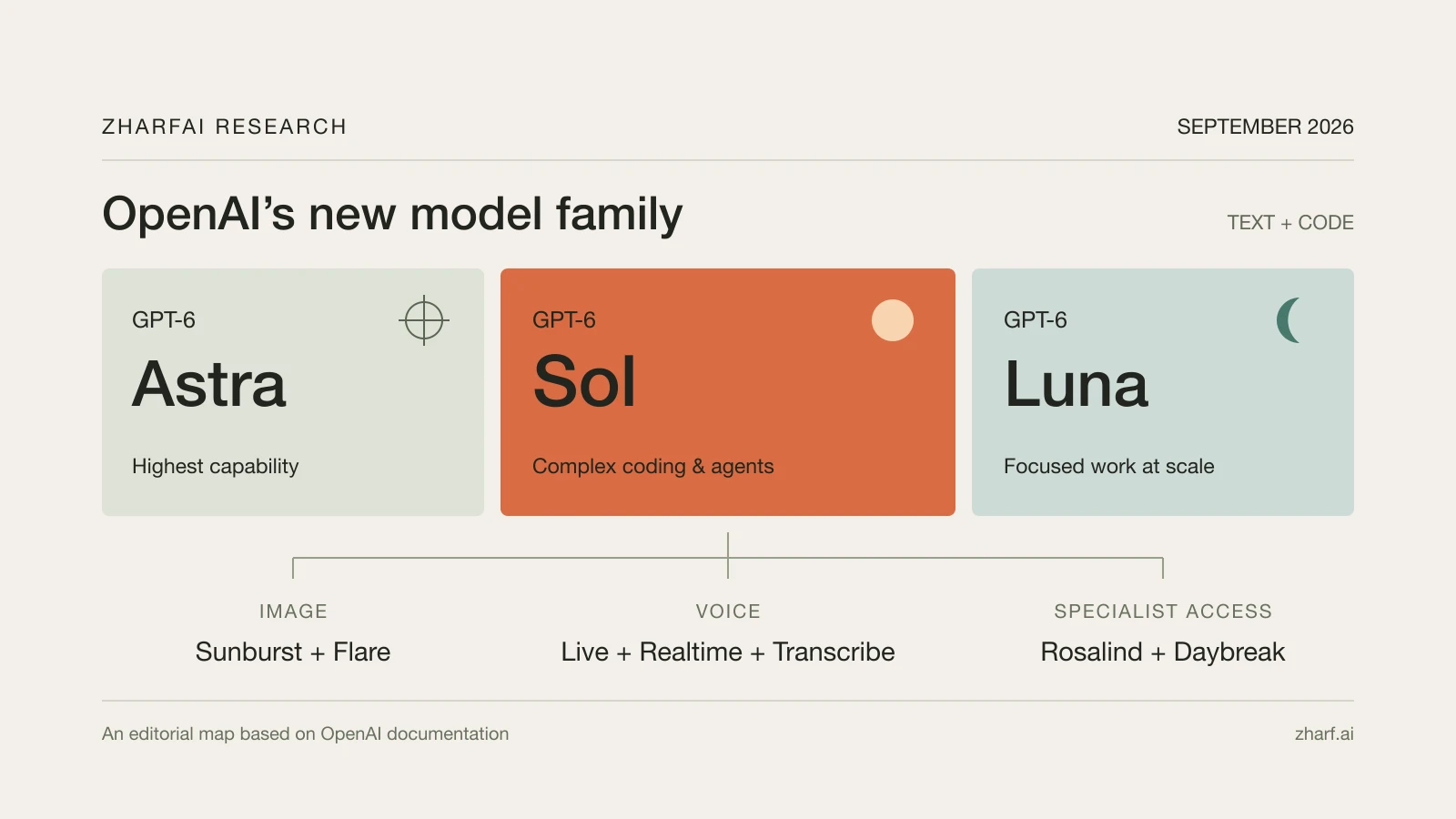
OpenAI's July 9 family spans flagship, balanced, and efficient models, with state-of-the-art terminal, coding, browsing, and science results.

Mistral's July 8 embodied model reaches 76.6% success on unseen R2R-CE routes using one RGB camera, with a compact architecture and simulation-only training.

Tencent's July 6 Apache-2.0 model turns preview feedback into a smaller active path, stronger agents, 256K context, and practical product reliability.

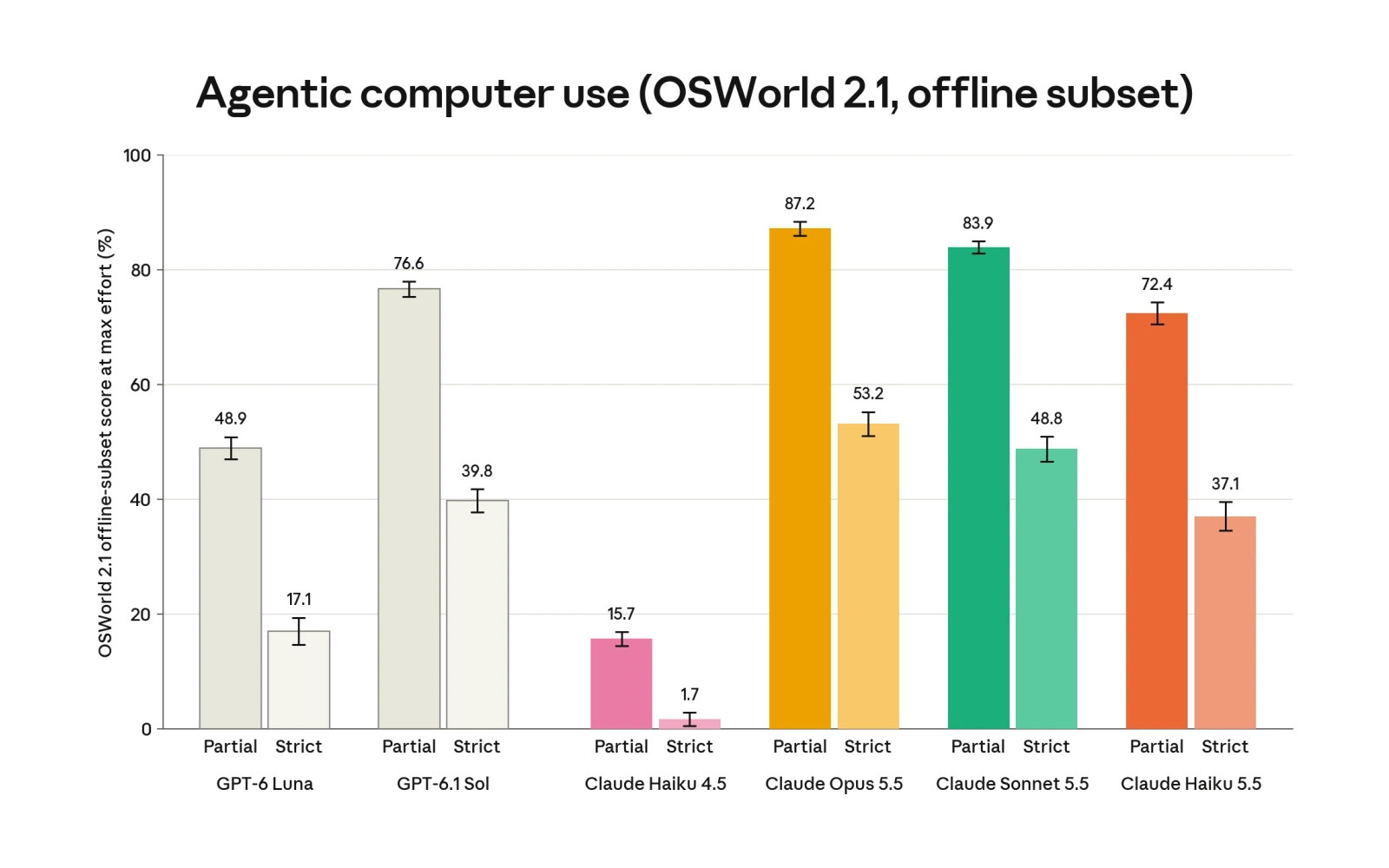
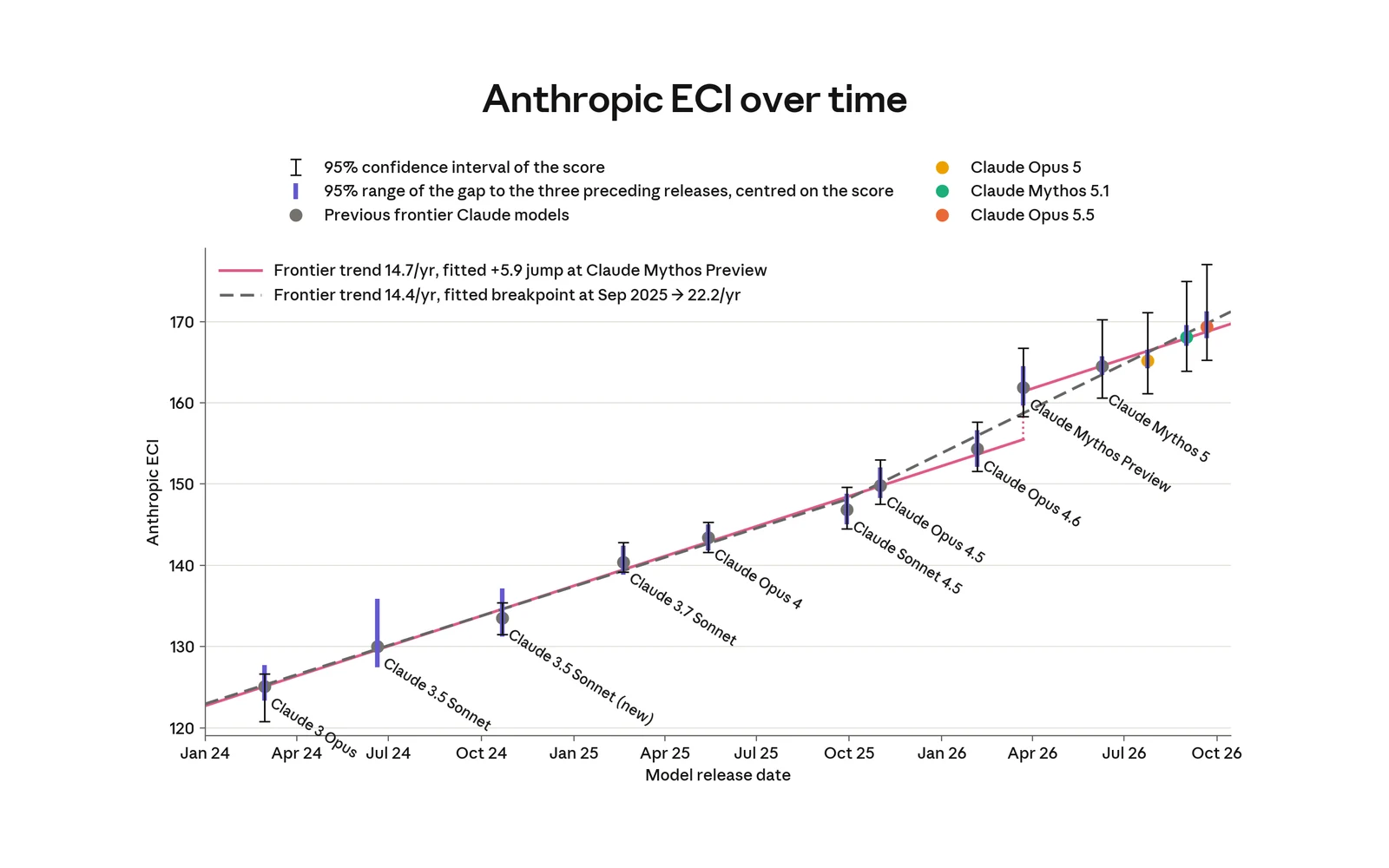
Anthropic's June 30 model lifts coding, terminal, search, computer use, and knowledge work while exposing effort as a cost-performance control.

Mistral's June 23 model adds boxes, block types, confidence, 170 languages, self-hosting, and leading OCR scores—with unusually clear benchmark caveats.