The Support Copilot: AI in SaaS Customer Operations
Support copilots are becoming operational systems that draft answers, inspect product state, route issues, and learn from resolved tickets.
Insights, tutorials, and updates from the ZharfAI team

Support copilots are becoming operational systems that draft answers, inspect product state, route issues, and learn from resolved tickets.

AI can help finance and engineering teams detect waste, forecast cloud spend, and connect infrastructure usage to product value.

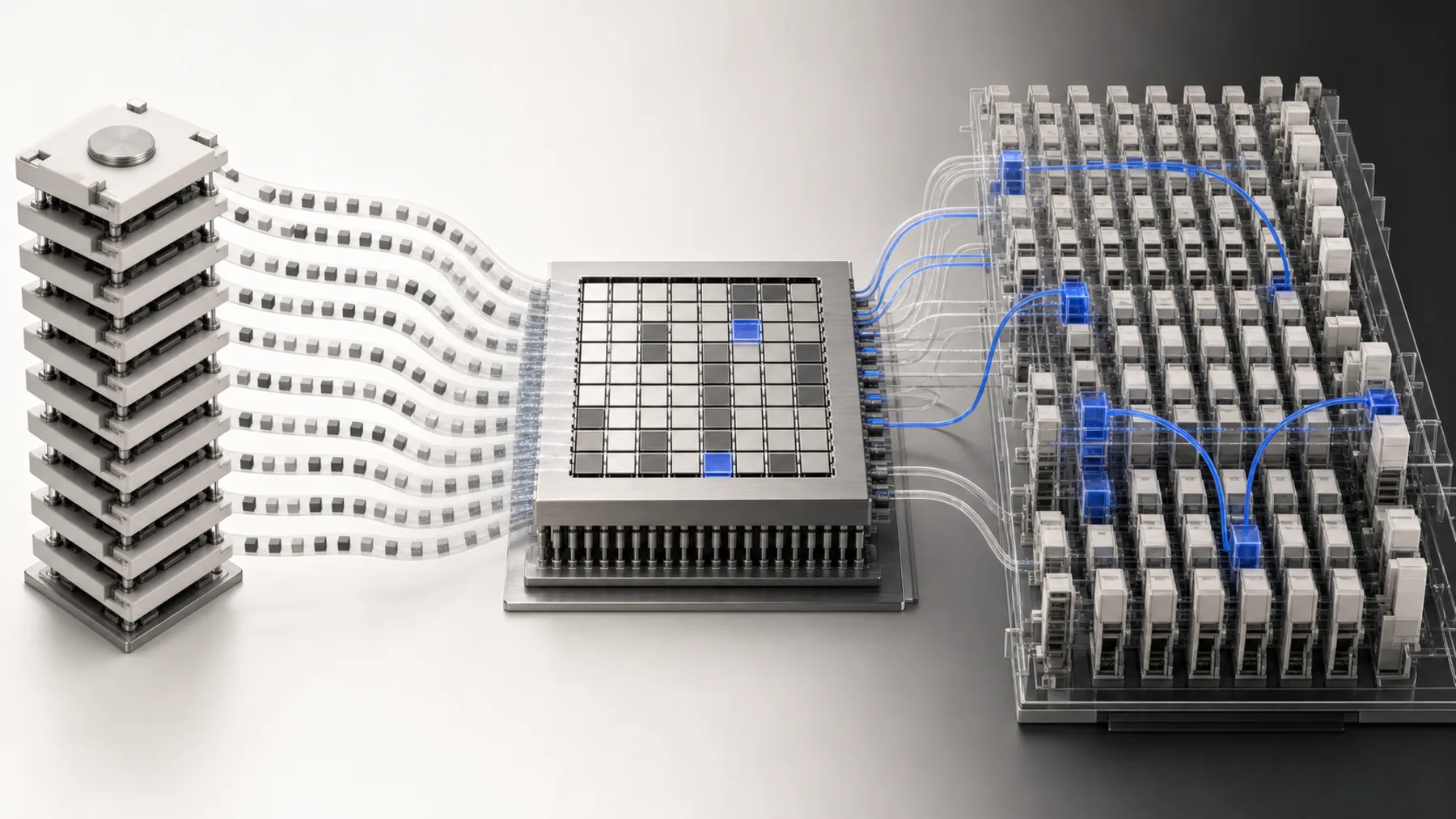
MiniMax combines sparse attention, native image and video input, computer use, and frontier coding in one open-weight model built for long-running work.

AI helps revenue teams turn CRM noise, meeting notes, pipeline changes, and buying signals into cleaner forecasts and better next actions.

AI can synthesize calls, tickets, surveys, reviews, and chats into customer intelligence that product and operations teams can actually use.

AI-enhanced process mining turns event logs, tickets, messages, and system traces into a practical map of how work actually moves.

AI can help teams detect schema drift, metric anomalies, missing context, and broken pipelines before bad data reaches decision makers.

Anthropic's May 28 flagship improves repository work, long-horizon agents, computer use, and visual reasoning, with a system card that exposes the caveats.

AI-assisted security review can shorten feedback loops when it is grounded in threat models, dependency context, and reproducible evidence.

Software agents are moving from autocomplete into repository-level work: reproducing bugs, editing code, running tests, and preparing reviewable pull requests.

Computer-use agents can operate existing software interfaces, but production value depends on guardrails, screen state checks, and recoverable workflows.

Modern document AI reads layout, handwriting, images, stamps, tables, and language together, making automation more useful for messy business records.