A Low False-Positive Rate Can Still Flood Your AI Alert Queue
Rare events change what an AI alert is worth. Use deployment prevalence, missed cases and review capacity to choose a threshold that your operation can actually support.

Insights, tutorials, and updates from the ZharfAI team

Rare events change what an AI alert is worth. Use deployment prevalence, missed cases and review capacity to choose a threshold that your operation can actually support.


A query can run without errors and still inflate sales. Learn to check row grain, join multiplicity and aggregation before accepting an AI-generated business report.

Before sending a PDF to an AI service, remove sensitive content from text, images and hidden objects—not just the page view. A practical redaction and release guide.

Stockouts hide demand from sales history. Learn how to record availability, handle censored observations and evaluate forecasts without treating imputed sales as truth.

A practical guide to matching customer records with explicit evidence, review thresholds, cluster checks, and reversible links instead of destructive merges.

DeepSeek's September 10 release adds native vision and cheaper agent workloads. We examine the benchmarks, API prices, and September 14 migration deadline.

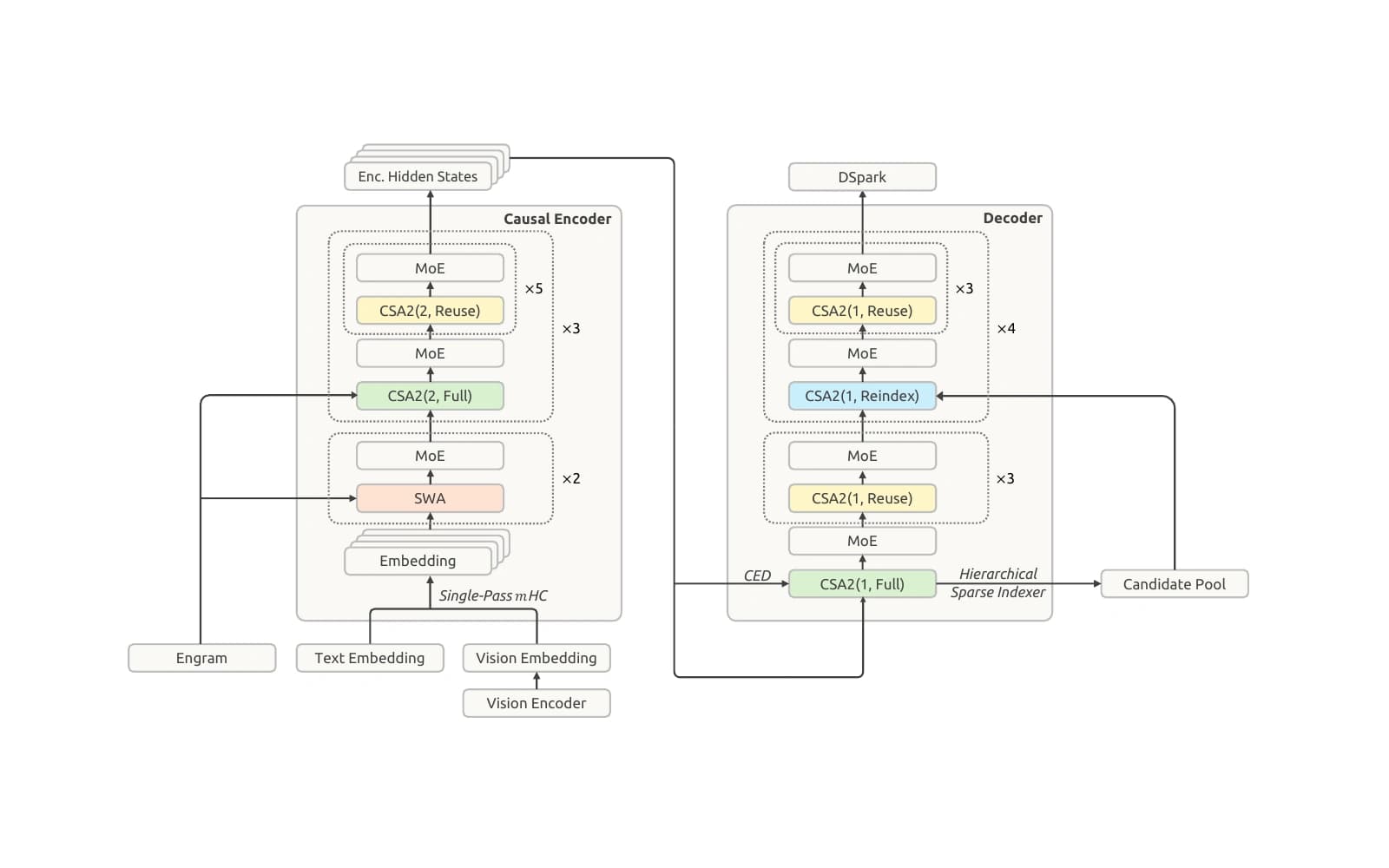
A technical reading of DeepSeek's 51-page report: causal encoder–decoder execution, CSA2, bounded replay, Engram, DSpark, and what the reference code omits.

A practical guide to testing whether AI saves team time once review, corrections, unfinished tasks, quality, and adoption costs enter the calculation.

A field guide to atomic reservations, concurrent spend, approval binding, reconciliation, and hard economic limits for tool-using AI agents.

OpenAI's Astra launch brings stronger scientific and computer work, new agent APIs, and premium pricing. Here is the evidence and a practical adoption guide.

A practical contract for proving where AI inputs, inference, embeddings, logs, tools, support access, backups, and fallbacks may operate.

A release guide for defining who is protected, bounding contributions, accounting for repeated use, testing utility, and deciding whether a differentially private output is fit to publish.