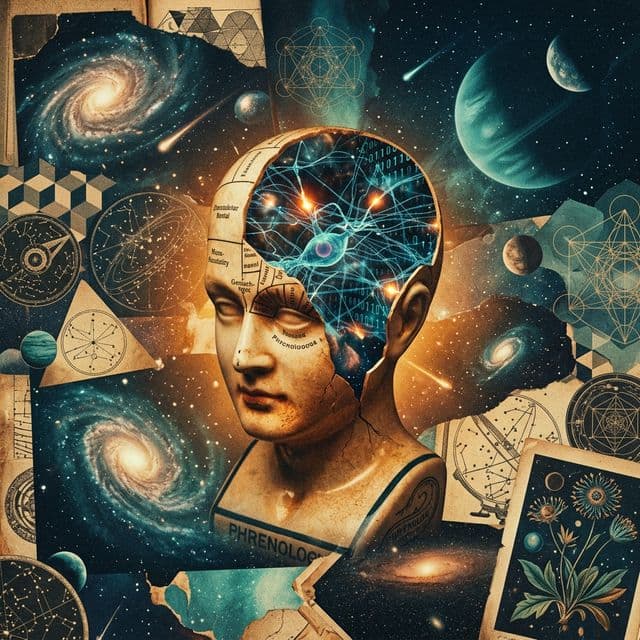
The Empathic Algorithm: AI in Psychology and Mental Health Therapy
Mental-health AI can support access, exercises, symptom tracking, and clinical preparation only with bounded claims, human escalation, privacy, and safety evidence.

Insights, tutorials, and updates from the ZharfAI team
Trends and analysis in AI and technology

Mental-health AI can support access, exercises, symptom tracking, and clinical preparation only with bounded claims, human escalation, privacy, and safety evidence.

Smart-city AI should improve public outcomes through inclusive planning, interoperable data, rights protections, accessible services, and public vendor control.
How artificial intelligence is pushing beyond Moore's Law, automating chip layout design, and accelerating the production of the advanced microchips powering the digital age.

AI can detect unusual conversation and translate approved material. It cannot predict a reputational crisis or decide what an organisation should say.

AI can correlate weak signals and inspect code. It can also hallucinate evidence and leak sensitive context, so defensive use needs explicit limits.

How military drones have evolved from remote-controlled aircraft into highly autonomous, self-coordinating swarms that mimic the behavior of bees to overwhelm traditional defenses.

How companies like Palantir are using AI to fuse satellite, drone, and intelligence data, fundamentally altering the speed and ethics of modern warfare in the Middle East.

Military AI needs consequence-based governance: each bounded use requires legal authority, realistic testing, human control, security, and clear stop conditions.

A scientific workflow for AI-assisted marine observation across imagery, acoustics, eDNA, autonomous vehicles, and vessel analytics with honest uncertainty.

Broadcast AI can recommend cameras, clips, captions, and commentary, but editorial control, accessibility, consent, rights, and production resilience remain human.

Beauty AI can narrow product choices and support virtual try-on, but selfies are not lab tests, personalization is not diagnosis, and safety needs real evidence.

Astronomy and spacecraft AI can rank candidates and support bounded autonomy only when instrument effects, scientific uncertainty, and flight safety remain visible.