
Industry Insights
June 11, 2026•10 min read
The Safety Signal: AI in Pharmacovigilance
AI helps drug safety teams detect adverse-event signals across reports, literature, clinical data, and real-world evidence.
Insights, tutorials, and updates from the ZharfAI team
Trends and analysis in AI and technology
AI helps drug safety teams detect adverse-event signals across reports, literature, clinical data, and real-world evidence.

AI-powered hospital command centers coordinate beds, staff, equipment, transfers, and risk signals in real time.
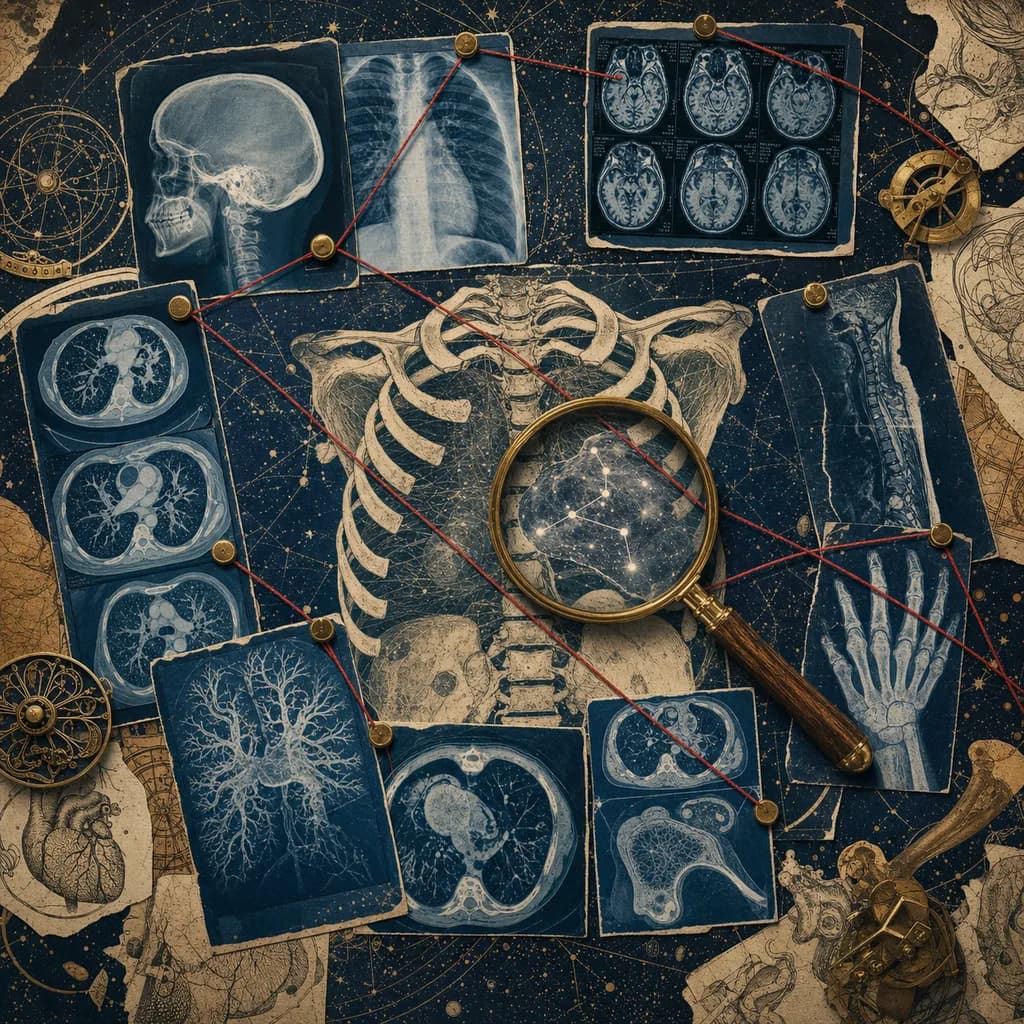
Medical imaging AI is most valuable when it improves workflow: prioritizing urgent studies, checking quality, and supporting clinicians with evidence.

AI can speed claims intake, evidence review, fraud signals, and settlement routing while keeping sensitive decisions accountable.

As payment systems modernize, AI can support fraud detection, liquidity monitoring, inclusion analysis, and operational resilience.

AI can assist smart contract review, transaction monitoring, and protocol risk analysis, but deterministic verification remains essential.

Warehouse AI coordinates people, robots, inventory, slots, waves, and exceptions so fulfillment systems can adapt in real time.

Computer vision systems are helping factories detect defects, explain process drift, and close the loop between inspection and production control.

AI helps field teams predict failures, schedule technicians, prepare parts, and capture repair knowledge from every visit.

Support copilots are becoming operational systems that draft answers, inspect product state, route issues, and learn from resolved tickets.

AI can help finance and engineering teams detect waste, forecast cloud spend, and connect infrastructure usage to product value.

AI helps revenue teams turn CRM noise, meeting notes, pipeline changes, and buying signals into cleaner forecasts and better next actions.