The Zero-Day Algorithm: How AI is Dictating Cyber Warfare
AI can correlate weak signals and inspect code. It can also hallucinate evidence and leak sensitive context, so defensive use needs explicit limits.
Insights, tutorials, and updates from the ZharfAI team

AI can correlate weak signals and inspect code. It can also hallucinate evidence and leak sensitive context, so defensive use needs explicit limits.


How military drones have evolved from remote-controlled aircraft into highly autonomous, self-coordinating swarms that mimic the behavior of bees to overwhelm traditional defenses.

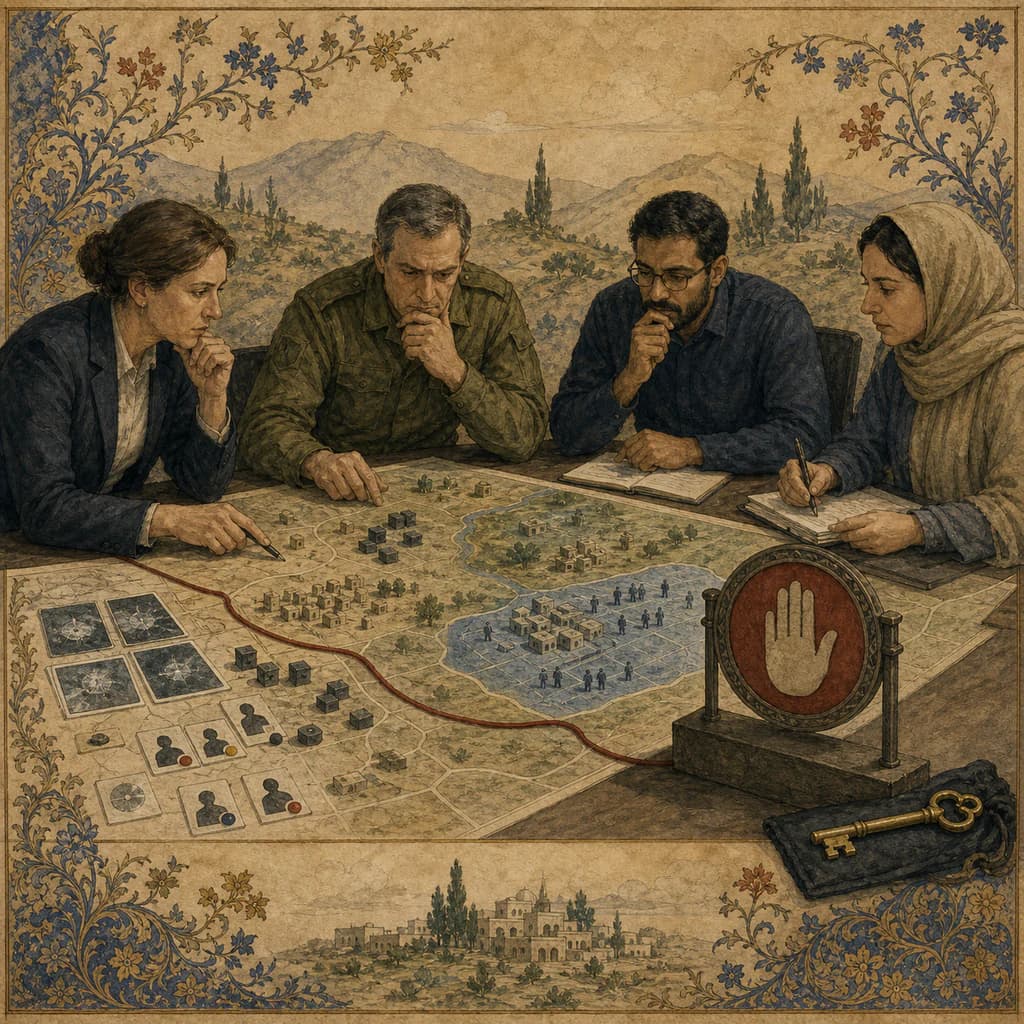
How companies like Palantir are using AI to fuse satellite, drone, and intelligence data, fundamentally altering the speed and ethics of modern warfare in the Middle East.

Military AI needs consequence-based governance: each bounded use requires legal authority, realistic testing, human control, security, and clear stop conditions.

A scientific workflow for AI-assisted marine observation across imagery, acoustics, eDNA, autonomous vehicles, and vessel analytics with honest uncertainty.

Broadcast AI can recommend cameras, clips, captions, and commentary, but editorial control, accessibility, consent, rights, and production resilience remain human.

Beauty AI can narrow product choices and support virtual try-on, but selfies are not lab tests, personalization is not diagnosis, and safety needs real evidence.

Astronomy and spacecraft AI can rank candidates and support bounded autonomy only when instrument effects, scientific uncertainty, and flight safety remain visible.

Disaster AI can support agencies with hazards, imagery, demand, and reports while public warnings, field command, and life-safety judgment remain human.

A field-aware guide to AI for seismic detection, volcano monitoring, remote sensing, mineral targeting, and groundwater analysis with visible uncertainty.

A field-grounded guide to AI for forest inventory, remote sensing, carbon, wildfire risk, and silviculture with ecological limits and qualified oversight.

Water-treatment AI may improve monitoring and process control only inside health barriers, permit limits, laboratory evidence, cybersecurity, and operator authority.