
AI Technology
June 23, 2026•7 min read
Mistral OCR 4: Structured Document Intelligence
Mistral's June 23 model adds boxes, block types, confidence, 170 languages, self-hosting, and leading OCR scores—with unusually clear benchmark caveats.
Insights, tutorials, and updates from the ZharfAI team
Engineering, infrastructure, and emerging AI systems
Mistral's June 23 model adds boxes, block types, confidence, 170 languages, self-hosting, and leading OCR scores—with unusually clear benchmark caveats.

Z.ai's June 16 MIT release improves terminal, repository, tool-use, and long-running tasks through shared sparse indexing and controllable effort.

Moonshot's June 12 model lifts coding and MCP tool scores over K2.6 while cutting reasoning-token use about 30 percent, with full benchmark footnotes.
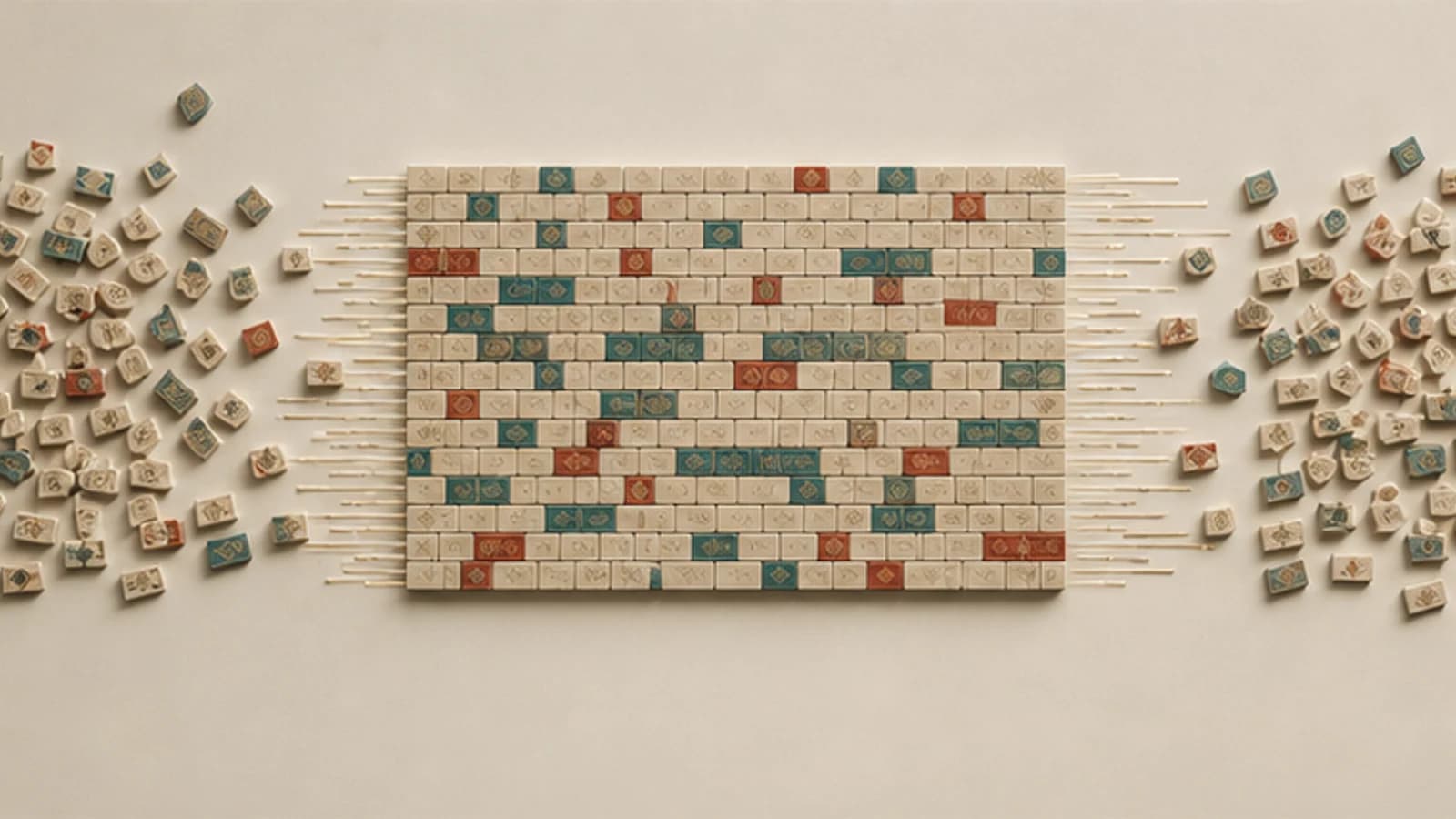
Google's experimental 26B MoE generates blocks in parallel, exceeds 1,000 tokens per second on H100, and exposes the quality-speed trade-off of text diffusion.

Anthropic's June 9 launch exposes the same frontier model through a guarded general tier and a restricted research tier, changing how benchmarks meet access control.

NVIDIA's June 4 model opens weights, data, and recipes for a 550B MoE with 55B active parameters, long context, NVFP4, and high-throughput agents.
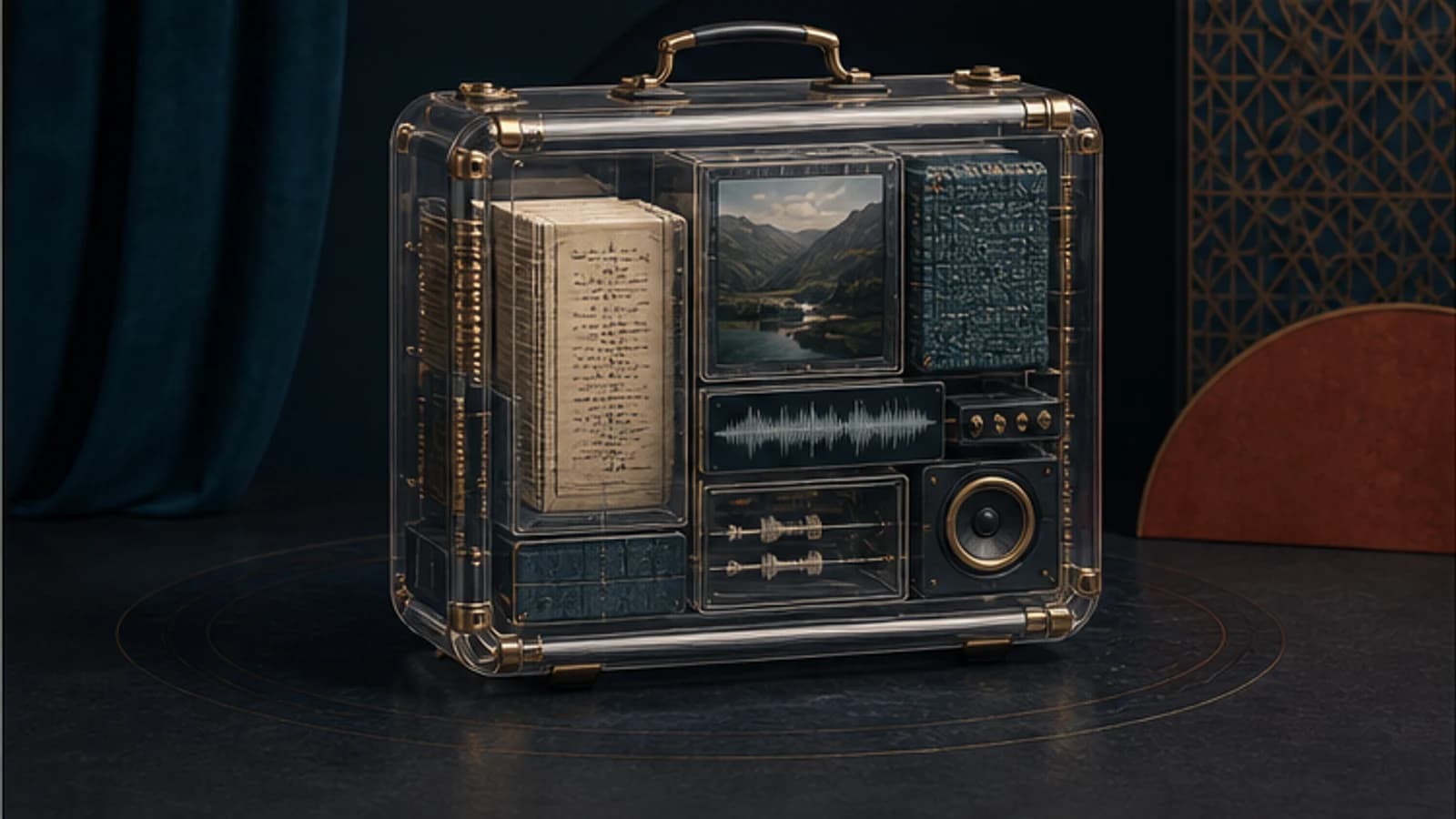
Google's June 3 checkpoint brings encoder-free image and audio input, agentic reasoning, and multi-token drafting to a laptop-sized open model.

MiniMax combines sparse attention, native image and video input, computer use, and frontier coding in one open-weight model built for long-running work.

Anthropic's May 28 flagship improves repository work, long-horizon agents, computer use, and visual reasoning, with a system card that exposes the caveats.

Cohere's May 20 Apache-2.0 release unifies reasoning, vision, tools, retrieval, and 48 languages in a 218B MoE with only 25B active parameters.

Google's May 19 model pairs fast inference with strong coding, tool-use, multimodal, and long-horizon scores—but the harness still defines the result.

Alibaba's Qwen3.7 rollout spans a text flagship, a multimodal agent, and an efficient Flash tier—with one family story and several benchmark caveats.