
AI Technology
May 9, 2026•9 min read
ERNIE 5.1: Smaller MoE, Stronger Agent Benchmarks
Baidu's May 9 release compresses ERNIE 5.0, rebuilds reinforcement learning, and reports flagship reasoning at a fraction of the pretraining cost.
Insights, tutorials, and updates from the ZharfAI team
Engineering, infrastructure, and emerging AI systems
Baidu's May 9 release compresses ERNIE 5.0, rebuilds reinforcement learning, and reports flagship reasoning at a fraction of the pretraining cost.

DeepSeek's open-weight V4 family arrived April 24—twelve days before this series' window—with 1M context, 1.6T/49B Pro and 284B/13B Flash models.
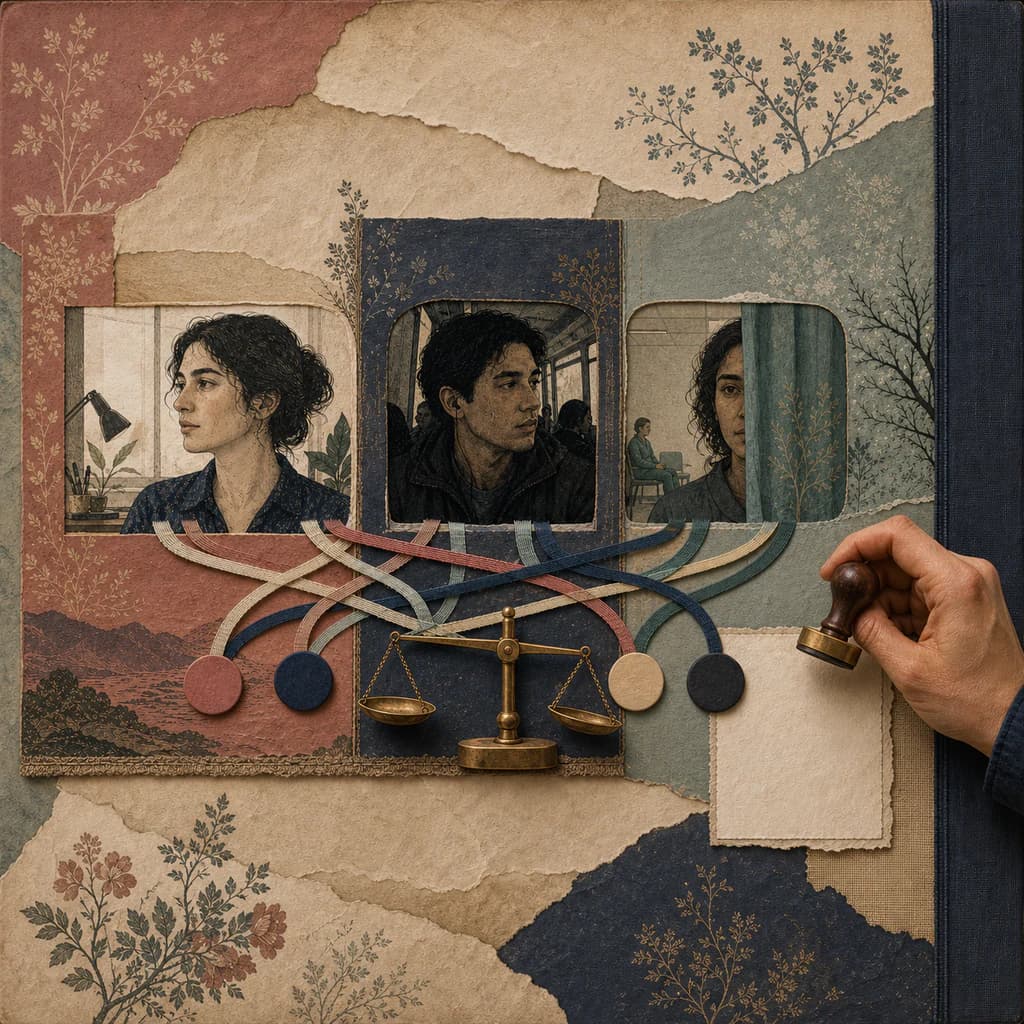
How affective computing interprets voice, face, and behavior—and why consent, bias, clinical validation, and human oversight determine whether emotion AI is safe.

How event-driven chips and brain-inspired architectures could reduce AI energy use—and where benchmarks, software maturity, and manufacturing still limit adoption.

A digital twin is a synchronized, use-specific representation—not a perfect copy; credibility depends on defined fidelity, lineage, uncertainty, and validation.

Urban acoustic AI must separate measured levels, modeled propagation, source classification, exposure, health evidence, complaints, and legal enforcement.

A research-grounded guide to AI for plasma control, disruption forecasting, simulation, and experiments, with independent protection and honest readiness claims.
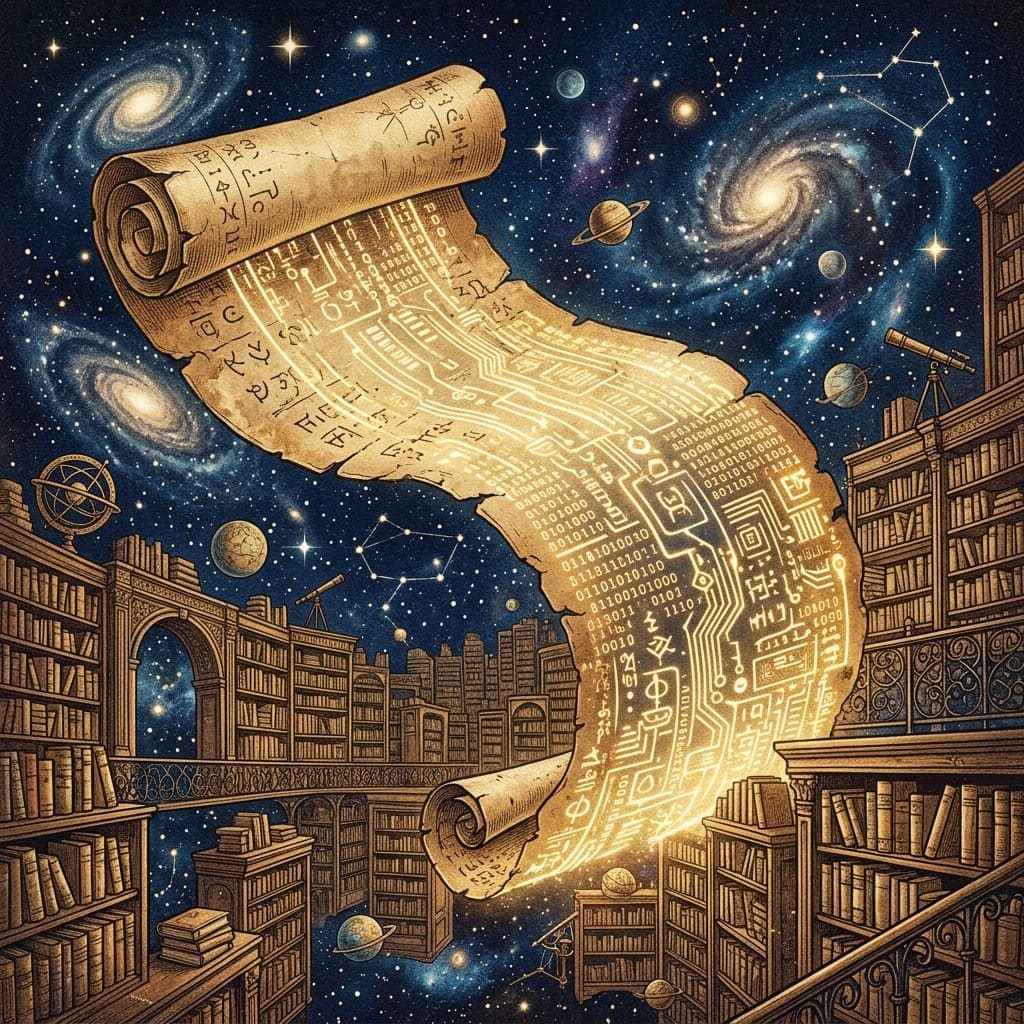
AI can improve access to archives while provenance, custody, integrity, and evidential status remain explicit—and every generated description stays attributable.

AI can speed map production, but authoritative maps need governed sources, coordinate systems, observation dates, uncertainty, and accountable review.
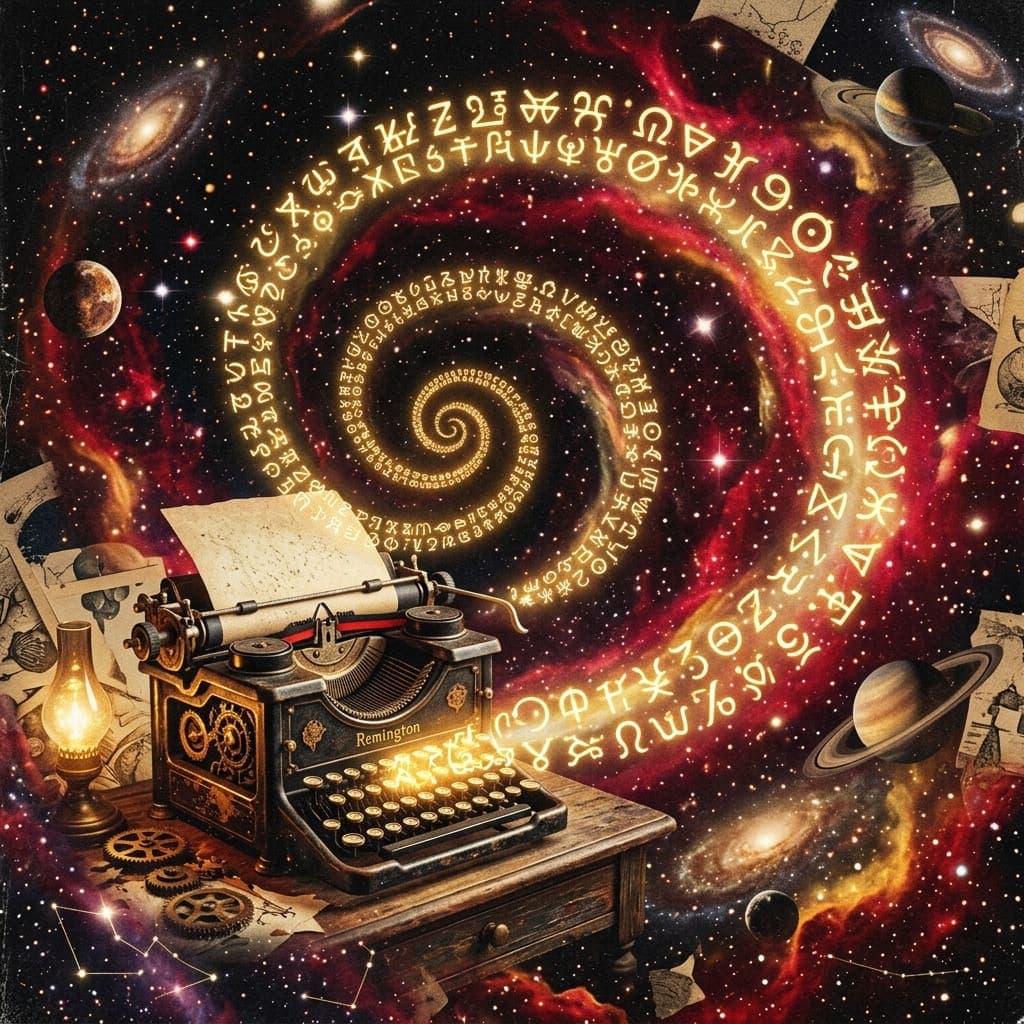
Font-generation AI can explore glyphs and spacing, but usable releases require correct encoding, script shaping, legibility, accessibility, rights, and testing.

Models can propose a protein sequence or rank a pathway. Biosafety approval, containment and handling remain with the people and committees accountable for them.

How museums and art-market specialists can use AI to organize provenance, imaging, materials, and brushwork evidence without automating attribution.