Blog

Insights, tutorials, and updates from the ZharfAI team

AI Tutorials

Learn about AI technologies and implementations

The Second Attempt Problem: Retrying AI Without Duplicating Actions
August 7, 2026•14 min read

The Second Attempt Problem: Retrying AI Without Duplicating Actions

An operating guide for deciding when an AI call may be retried, hedged, failed over, or reconciled—and for preventing timeout ambiguity from becoming duplicate business action.

The Dangerous Cache Hit: Reusing AI Answers Without Reusing Mistakes
August 6, 2026•14 min read

The Dangerous Cache Hit: Reusing AI Answers Without Reusing Mistakes

A practical architecture for deciding when an AI answer may be reused, which context must enter the cache key, and when freshness, authority, or consequence requires a new result.

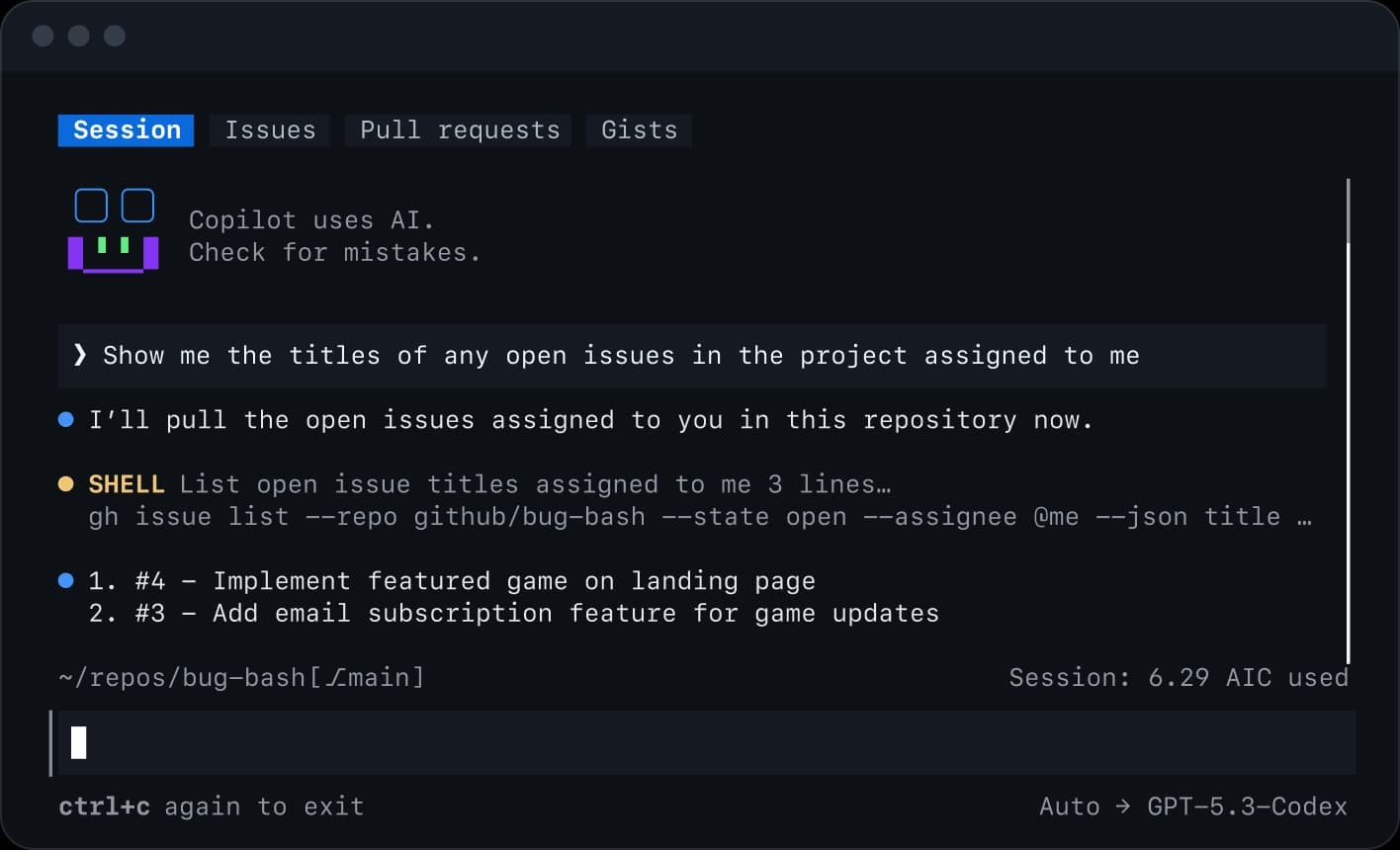
GitHub Copilot CLI Tutorial: Install, Permissions and Everyday Use
August 6, 2026•17 min read

GitHub Copilot CLI Tutorial: Install, Permissions and Everyday Use

A practical GitHub Copilot CLI guide: installing on macOS, Linux and Windows, instruction files, tool permissions, plan and autopilot modes, MCP, scripted use, and connecting your own model.

Google Antigravity CLI Tutorial: Install, Permissions and Daily Use of agy
August 6, 2026•18 min read

Google Antigravity CLI Tutorial: Install, Permissions and Daily Use of agy

A practical guide to Google's Antigravity CLI: installing on macOS, Linux and Windows, AGENTS.md, permissions and the sandbox, daily commands, MCP, and headless runs.

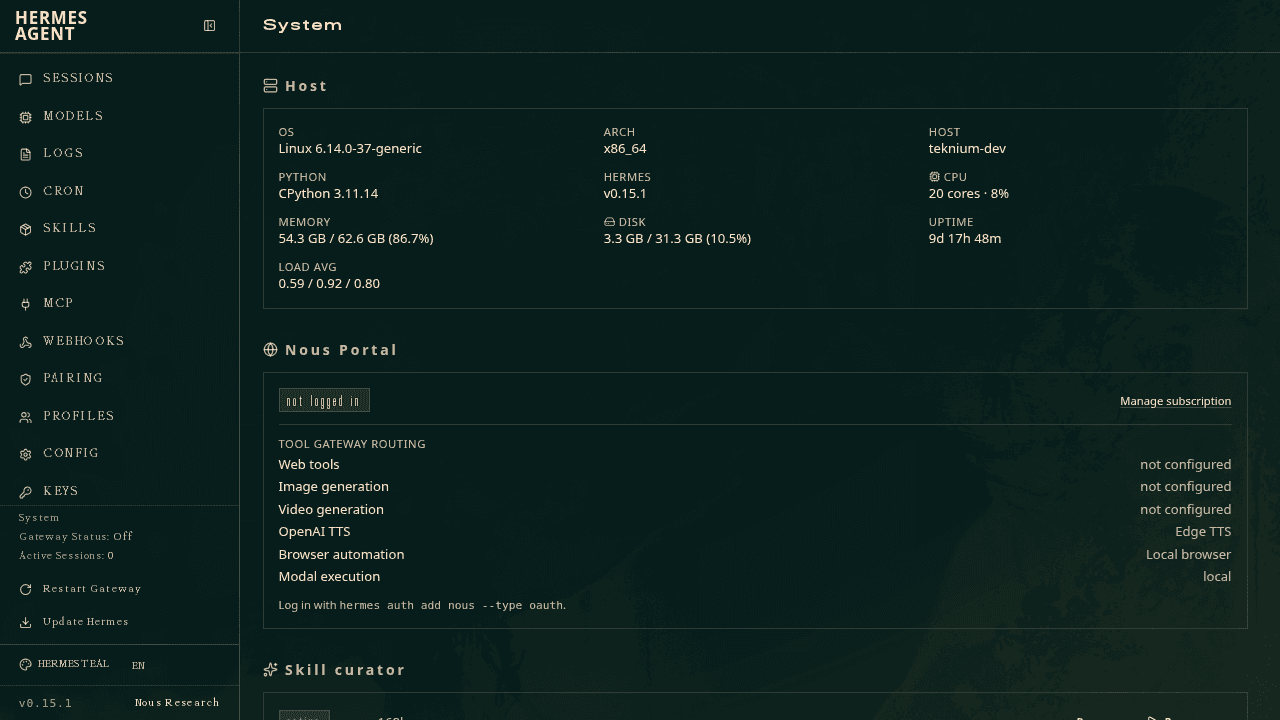
Hermes Agent Tutorial: Install, Connect a Model and Work Safely
August 6, 2026•18 min read

Hermes Agent Tutorial: Install, Connect a Model and Work Safely

A practical guide to Nous Research's open-source Hermes Agent: installing, choosing a provider, connecting a self-hosted model, AGENTS.md, command approval, and MCP.

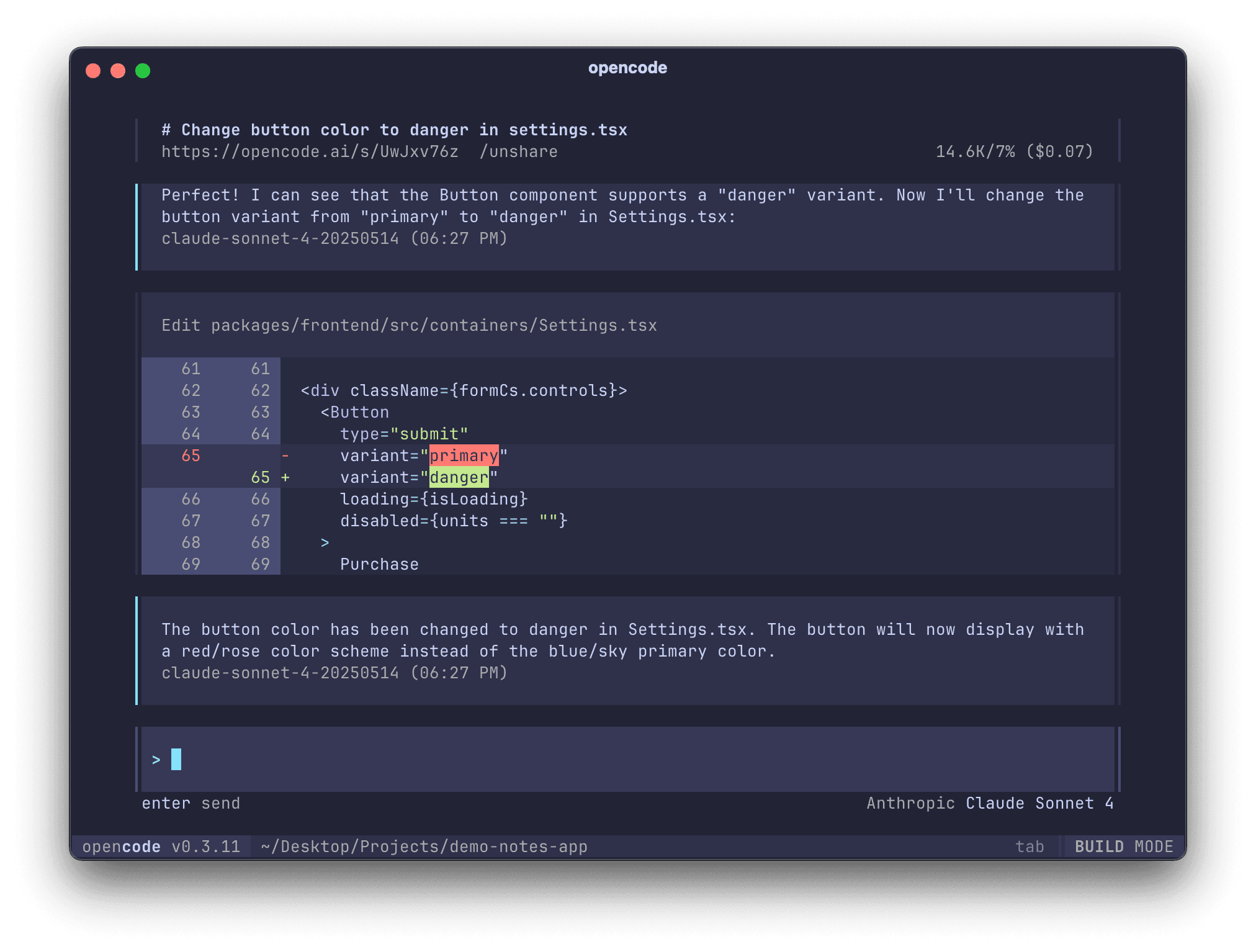
OpenCode Tutorial: Complete Guide to the Open-Source Coding Agent
August 6, 2026•11 min read

OpenCode Tutorial: Complete Guide to the Open-Source Coding Agent

Master OpenCode from installation to providers, AGENTS.md, plan and build agents, permissions, skills, MCP, plugins, IDE, desktop, server, and GitHub workflows.

OpenClaw Tutorial: Install, Secure and Connect Telegram or a Local Model
August 6, 2026•21 min read

OpenClaw Tutorial: Install, Secure and Connect Telegram or a Local Model

A practical OpenClaw guide: installing the Gateway on your own machine, workspace files, permission modes, Telegram and WhatsApp, and connecting a model on your own server.

Prime Agent Tutorial: Install, Subagents and Long-Running Work
August 6, 2026•17 min read

Prime Agent Tutorial: Install, Subagents and Long-Running Work

A practical Prime Agent guide: installing on macOS and Linux, signing in to a model provider, AGENTS.md, subagents, background work, MCP, and connecting a model on your own server.

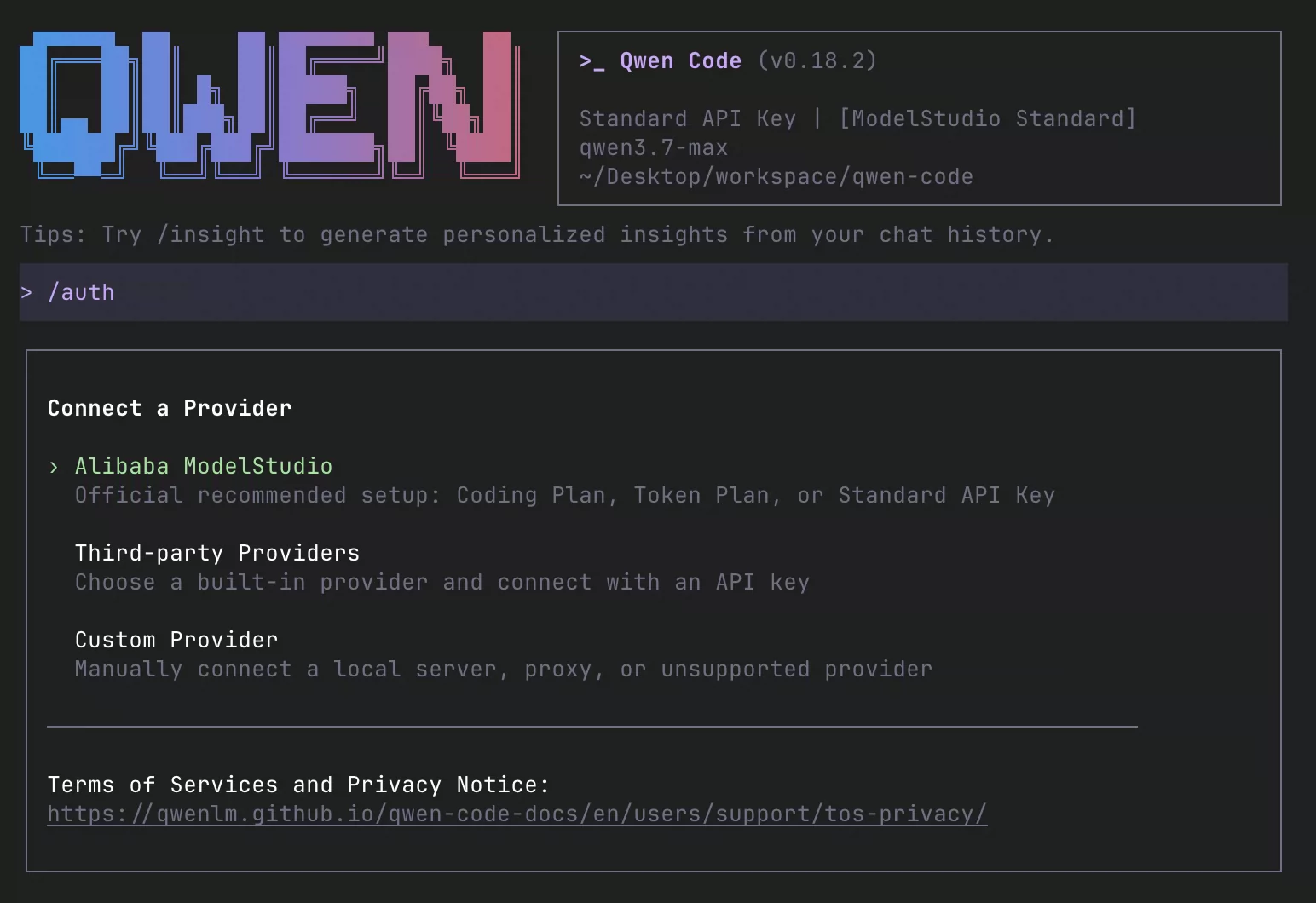
Qwen Code Tutorial: Install, Configure and Connect It to Your Own Model Server
August 6, 2026•19 min read

Qwen Code Tutorial: Install, Configure and Connect It to Your Own Model Server

A practical Qwen Code guide: installing, QWEN.md, approval modes, everyday commands, MCP, scripted runs, and connecting it to an open model on your own server with Ollama or vLLM.

Qwen3.8 vs GLM-5.2 vs DeepSeek-V4 for Coding: Which Open Model to Self-Host
August 6, 2026•14 min read

Qwen3.8 vs GLM-5.2 vs DeepSeek-V4 for Coding: Which Open Model to Self-Host

Which open model should run your coding agent on your own server? Qwen3.8, GLM-5.2 and DeepSeek-V4 compared on size, licence, context, hardware, and running them with Ollama and vLLM.

The Feedback Firewall: Stop AI Outputs Becoming Ground Truth
August 4, 2026•14 min read

The Feedback Firewall: Stop AI Outputs Becoming Ground Truth

A practical control architecture for separating independent evidence, AI-influenced decisions, synthetic content, and production feedback before the next model learns from them.

The Deletion Graph: An Erasure Playbook for AI Systems
August 3, 2026•13 min read

The Deletion Graph: An Erasure Playbook for AI Systems

A practical method for tracing personal data through AI pipelines, choosing deletion, rebuild, retraining, or unlearning, and proving that derived artifacts stay clean.